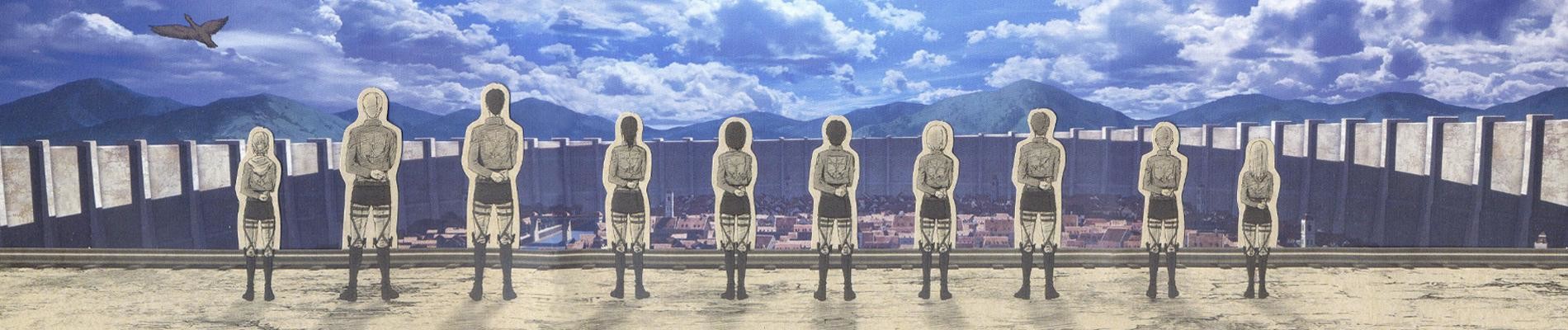
What makes "Attack on Titan" such a compelling masterpiece that keeps us glued to our screens episode after episode? It’s more than just its jaw-dropping animation and heart-stopping action sequences. The secret lies in its complex character development, profound themes, and the deft intertwining of personal and global conflicts that resonate on a deeply psychological level. Let’s dive into the psychological nuances that make "Attack on Titan" a paragon of storytelling.
The Power of Mystery and Revelation
From the very first episode, "Attack on Titan" hooks viewers with an intriguing mystery: the origin of the Titans and the walls that protect humanity from them. This element of the unknown serves as a powerful storytelling tool. Viewers, along with the characters, are desperate for answers, which keeps the narrative tension high and the audience engaged.
Isayama’s genius lies in his ability to slowly unravel these mysteries, giving us just enough breadcrumbs to keep us guessing. Remember the shocking revelation about the true nature of the Titans hidden within the basement of Eren Yeager's childhood home? This moment was teased throughout the series, creating a sense of anticipation and anxiety that paid off spectacularly.
“One of the most effective ways to maintain suspense is to make viewers think they’re about to learn something crucial, only to deepen the mystery instead.”
Unlike other series that reveal their secrets too quickly or too slowly, "Attack on Titan" maintains a delicate balance. This masterful pacing ensures that each revelation feels both surprising and inevitable, a testament to Isayama’s skill as a storyteller.
Character Complexity and Development
At the heart of "Attack on Titan’s" storytelling success is its richly woven tapestry of characters. Each character, from Eren Yeager to Levi Ackerman and Mikasa Ackerman, is deeply flawed yet profoundly human. These characters are not mere archetypes but individuals with evolving motivations and fears.
Eren's transformation from a naive, revenge-driven youth to a morally ambiguous leader encapsulates the series' exploration of human nature. This evolution is not only captivating but also thought-provoking. It forces viewers to question their own notions of heroism and villainy.
Think of how Mikasa’s unwavering loyalty to Eren, despite his increasingly questionable actions, challenges us to consider the complexities of loyalty and love. Likewise, Levi's stoic demeanor hides a deep-seated guilt and empathy, making him one of the most compelling characters in the show.
“In ‘Attack on Titan,’ no character is truly a hero or a villain; each is a reflection of the choices they’ve made and the world they inhabit.”
The Role of Supporting Characters
While the main trio receives ample attention, it’s the supporting characters like Historia Reiss and Reiner Braun who add depth to the narrative. Their backstories and personal struggles enrich the world-building and offer different perspectives on the central conflict.
For instance, Historia's journey from a reluctant royal to a determined leader showcases a compelling arc of self-discovery and empowerment, resonating with viewers who appreciate strong, multifaceted characters. Similarly, Reiner’s internal conflict highlights the theme of identity crisis, a universal struggle that transcends cultural boundaries.
Thematic Depth: War, Freedom, and Humanity
"Attack on Titan" is much more than a mere battle between humans and Titans; it’s a profound exploration of themes like war, freedom, and what it means to be human. The series uses the Titans as a metaphor for real-world issues, allowing viewers to engage with complex themes in an accessible way.
War is depicted not just as a fight for survival but as a complex web of political and personal motivations. The show’s brutal portrayal of war’s consequences forces viewers to confront the harsh realities of conflict. This is not a series that glorifies war; rather, it exposes its tragic futility.
Freedom is another recurring theme, with characters constantly grappling with their desires to break free from societal constraints and personal demons. Eren's quest for freedom becomes increasingly ambiguous as the series progresses, challenging the viewer’s perception of freedom itself.
The Human Condition
At its core, "Attack on Titan" is a philosophical reflection on the human condition. It asks profound questions about the nature of humanity, morality, and sacrifice. Characters are frequently placed in morally grey situations, forcing them and the audience to reflect on difficult ethical dilemmas.
In this way, "Attack on Titan" transcends its genre, offering rich thematic content that resonates with viewers worldwide. It’s a series that encourages introspection and discussion long after the credits roll.
Artistry and Animation: A Visual Feast
Studio MAPPA, which took over production from Wit Studio, has elevated "Attack on Titan" to new heights with its stunning animation quality. The series is visually breathtaking, using meticulous attention to detail to enhance the storytelling.
The animation serves as a powerful tool to convey the emotional depth and intensity of the series. From the fluid action sequences to the hauntingly beautiful landscapes, each frame is crafted with precision and passion.
Take the iconic scene of Eren transforming into a Titan for the first time; it’s not just about the spectacle but the raw emotion conveyed through every animated detail. The animation breathes life into these pivotal moments, making them unforgettable and deeply impactful.
Moreover, the orchestration of music by Hiroyuki Sawano adds another layer of depth, enhancing the emotional resonance of key scenes. It’s hard to forget the stirring notes of “Guren no Yumiya” blaring as the Survey Corps charges into battle, a moment that sends shivers down your spine.
Global Impact and Cultural Relevance
"Attack on Titan" has not only captured the hearts of Japanese audiences but has also achieved unprecedented global success. Its universal themes and compelling storytelling have resonated with a diverse international audience, contributing to the growing popularity of anime worldwide.
The series’ willingness to tackle weighty themes like freedom, oppression, and human nature has sparked discussions across cultures, making it a cultural phenomenon. Its impact is evident in its influence on other media, cosplay communities, and the expansive fan theories that populate forums and social media.
Why has "Attack on Titan" resonated so deeply with global audiences? Perhaps it’s because it speaks to universal human experiences—fear, courage, love, and loss—wrapped in a narrative that is both epic and intimate.
Moreover, "Attack on Titan" has played a significant role in elevating anime’s position in the global entertainment industry. It has shattered barriers and demonstrated that anime can deliver storytelling on par with, or even surpassing, traditional Western media.
The Future of Attack on Titan and Its Legacy
As "Attack on Titan" approaches its epic conclusion, the anticipation and speculation surrounding its finale are at an all-time high. Fans are eager to see how Isayama will tie together the series' complex web of narratives and whether the ending will live up to the series’ high standards.
The legacy of "Attack on Titan" will undoubtedly endure long after its final episode airs. Its influence on the anime industry is undeniable, inspiring a new generation of creators to push the boundaries of what anime can achieve.
“Every so often, a series comes along that changes the landscape of storytelling, and ‘Attack on Titan’ is one such series.”
For those who have yet to experience this masterpiece, now is the perfect time to dive in and explore the world of Titans, humans, and the complex tapestry that binds them. And for those who are already fans, the journey offers endless opportunities for reflection and discovery.
Conclusion: The Enduring Appeal of Attack on Titan
In conclusion, "Attack on Titan" is a series that has captivated audiences with its unmatched storytelling, rich character development, and deep thematic exploration. It challenges us to think, feel, and question the world around us, making it a true masterpiece of modern animation.
As we eagerly await the series' conclusion, it’s clear that "Attack on Titan" has left an indelible mark on the anime landscape. Whether you’re a long-time fan or a newcomer, the series offers a wealth of insights and entertainment that are well worth exploring.
For more deep dives into anime storytelling and cultural phenomena, continue your journey with us at happy-anime.com, your ultimate destination for all things anime and manga.