Have you ever watched a Studio Ghibli film and felt like you were transported into a world that was unlike anything else you've seen? There's something irresistibly enchanting about these movies that sets them apart from the rest of the anime landscape. But what is it exactly that makes Studio Ghibli feel so special? Whether it's the lush animation, the nuanced characters, or the universal themes, Ghibli films hold a magic that resonates globally. Let’s dive into what makes these films stand out in a world already rich with animated storytelling.
The Visionary Leadership of Hayao Miyazaki
At the heart of Studio Ghibli's distinctiveness lies the profound vision of Hayao Miyazaki. Often hailed as the "Walt Disney of Japan," Miyazaki's influence extends beyond mere storytelling. His works capture a profound love for nature and a deep understanding of human emotions. From the moment you step into the whimsical world of "My Neighbor Totoro," you feel the tenderness of his touch in every brushstroke of animation.
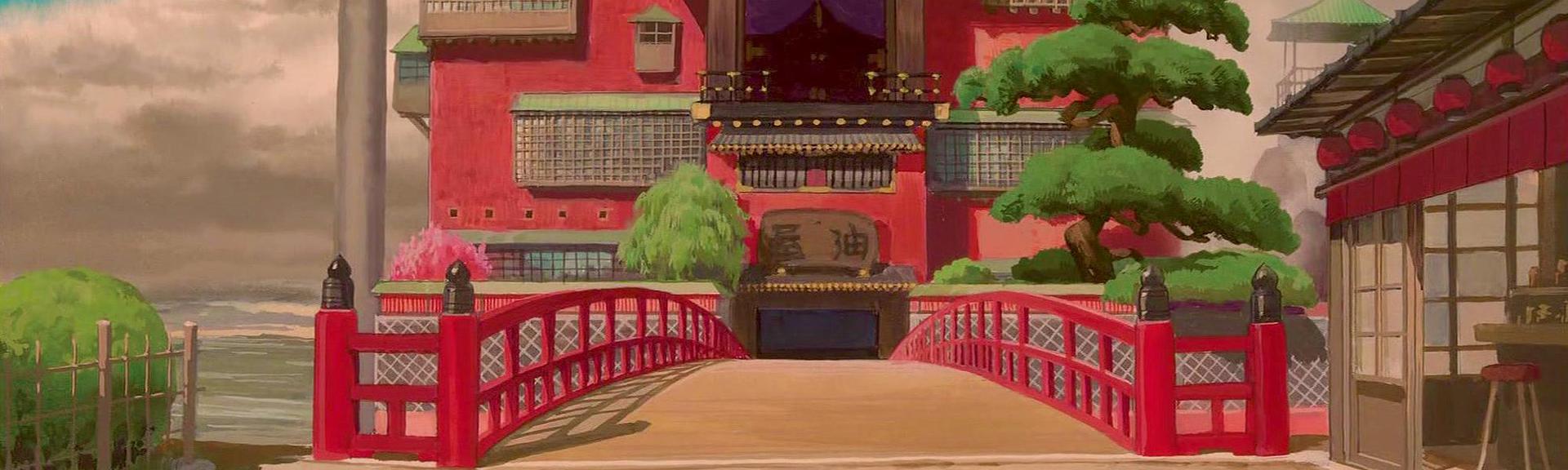
Miyazaki's characters are not your typical protagonists; they are deeply flawed yet beautifully human. Take, for instance, Chihiro from "Spirited Away." Her journey from a timid girl to a courageous hero is something we can all relate to. Miyazaki crafts each character with an authenticity that transcends cultural boundaries. It's not just the fantastical elements that captivate us, but the very real human experiences that they encapsulate.
"I've become skeptical of the unwritten rule that just because a boy and a girl appear in the same feature, a romance must ensue." - Hayao Miyazaki
This quote from Miyazaki highlights his commitment to breaking conventional storytelling norms, a cornerstone of why his films feel so genuine and refreshing.
A Unique Approach to Animation
Studio Ghibli’s animation style is a world apart from what we often see in other anime productions. The studio's commitment to hand-drawn animation is a testament to their dedication to craft. Even in an era where digital animation dominates, Ghibli’s hand-painted cells, with their vibrant colors and meticulous details, create a warmth that's difficult to replicate. Every scene, whether depicting bustling cities or serene countryside settings, is designed to be a visual feast.
Consider the incredible detail in "Princess Mononoke," where the lush forests and mystical creatures are brought to life with painstaking precision. The commitment to such artistry is not just about aesthetics, but about evoking emotion. Ghibli films often employ this style to emphasize themes of environmentalism and spirituality, inviting viewers into a meditative reflection on nature and humanity.
"We are not trying to solve the world’s problems through our films. We just want to show that we live in such a wonderful world." - Hayao Miyazaki
Through their art, Studio Ghibli inspires us to see the world with wonder and reverence, creating a cinematic experience that feels both personal and universal.
The Timeless Appeal of Ghibli's Storytelling
Studio Ghibli films are often lauded for their timeless storytelling. Unlike many other studios, Ghibli doesn't rely on rapid-fire dialogue or frenetic action to engage viewers. Instead, their narratives unfold at a gentle pace, allowing the audience to fully immerse themselves in the world being portrayed. This approach is evident in "Kiki's Delivery Service," where the story of a young witch finding her place in the world is told with a warmth and patience that allows viewers to savor every moment.
Additionally, Ghibli films often explore themes that resonate across ages and cultures, such as the loss of innocence, the struggle for identity, and the importance of community. In "The Wind Rises," we see a reflection on ambition and responsibility, wrapped in a narrative that is both historically grounded and deeply personal. These universal themes, combined with the studio's unique storytelling cadence, create a narrative tapestry that feels both familiar and new.
Exploring Themes of Environmentalism and Humanity
One of the most distinctive aspects of Studio Ghibli films is their exploration of environmental themes. In a world increasingly aware of ecological issues, Ghibli's stories about harmony with nature resonate more than ever. "Nausicaä of the Valley of the Wind" is a prime example, portraying a post-apocalyptic world where the protagonist fights to restore balance between humanity and nature.
These themes are not just supplementary to the stories; they are woven into the very fabric of each film. In "Ponyo," the sea is both a setting and a character, influencing the lives of the humans who live beside it. Through these narratives, Ghibli invites us to contemplate our own relationship with the environment. The films encourage not just passive viewing but active reflection, challenging us to consider our impact on the natural world.
The Cultural Impact of Ghibli Films Globally
Studio Ghibli’s films have not only captivated audiences in Japan but have also achieved global recognition. The studio’s ability to blend Japanese folklore with universal themes creates stories that are both culturally specific and universally appealing. "Spirited Away," which won an Academy Award, is an excellent example of how Ghibli films transcend cultural boundaries. The film’s fantastical elements are steeped in Japanese mythology, yet its themes of courage and self-discovery are universally resonant.
Moreover, the studio’s influence extends beyond just film. Ghibli’s aesthetic and thematic elements have inspired countless creators in various mediums worldwide. From fashion to fine art, the studio's impact is felt across the globe. The universal appeal of Ghibli’s stories lies in their ability to touch on core human emotions – love, fear, hope, and the yearning for connection.
The Personal Touch: Music and Sound in Ghibli Films
No discussion of Studio Ghibli would be complete without mentioning the impactful music that accompanies their films. Composers like Joe Hisaishi have crafted iconic scores that are inseparable from the images they accompany. The music in "Howl's Moving Castle" is not just a backdrop; it elevates the narrative, adding layers of emotion and depth to the story.
Soundscapes in Ghibli films are meticulously designed to enhance the viewer’s experience. The gentle rustling of leaves, the distant chirping of birds, and the rhythmic pounding of waves are not just atmospheric details but integral elements that draw the audience deeper into the world of the film. This careful attention to audio creates a sensory experience that complements the visual storytelling, making Ghibli films not just movies, but all-encompassing experiences.
Conclusion: Why Ghibli Films Endure
In a world saturated with animated films, Studio Ghibli stands out as a beacon of creativity, authenticity, and emotional depth. The studio's commitment to hand-drawn animation, their exploration of timeless and universal themes, and the unique vision of Hayao Miyazaki have crafted films that do more than just entertain—they inspire and provoke thought. If you haven’t ventured into the magical worlds of Ghibli yet, consider this your invitation to start your journey. Dive into this enchanting universe and discover why these films hold a special place in the hearts of audiences worldwide.
To explore these films and more, visit happy-anime.com, your ultimate destination for all things anime and manga.